
Buyer planning
Record manicure sample observations before deciding on a set
A useful sample record lets another buyer identify the exact tool, see what was observed and understand what still needs confirmation. Start with the agreed contents and sample revision, then record dimensions, appearance and questions separately from the decision to accept a set.
Identify the set and each tool
The catalogue lists YZ-110029 as a six-piece manicure set and YZ-110030 as a seven-piece set. The different count does not establish that one set contains every tool from the other. Obtain the itemised list for the exact sample and assign a number to each component and its position in the case.
At the top of the record, write the SKU, supplier sample identifier, received date, requested finish and the drawing or brief revision. Keep the packaging with its label. If an unexpected part is present or a listed part is absent, document the discrepancy before using the sample to approve production.
Separate an observation from a requirement
“The case does not close with the tools in the pictured positions” is an observation. “The closed case must fit the agreed retail sleeve” is a requirement. Record both, together with a photograph and the relevant measurement. This makes the follow-up more specific than “quality is poor”.
For dimensions, define the endpoints, units and orientation. A listed overall clipper length is not a jaw-opening specification. Request missing working-end dimensions when they matter to the buying decision. Do not invent an acceptance tolerance after seeing the result; agree it with the supplier for the actual product.
| Component | Observed fact | Reference and next action |
|---|---|---|
| Tool number and location | Measured value or clearly described appearance | Brief point, drawing revision or unresolved requirement |
| Case or retaining loop | Fit or closure observation with the actual contents | Photo ID and proposed correction to check |
| Material or finish | Supplier statement kept with its attribution | Request component-specific evidence where needed |
Keep counts from becoming a false quality score
Suppose a buyer reviews three six-piece sets: that is 18 tool positions plus three cases to reconcile with the agreed contents. If one set has a missing tool, record which set and position are affected. Do not turn that small, selected sample into a claim about the defect rate of an entire production lot.
If the order requires a formal incoming inspection plan or laboratory tests, agree the sampling basis, methods and decisions separately. The worksheet here records a development sample; it does not certify product safety or replace destination-market documentation.
Document the correction and repeat the relevant check
Give each issue an owner and requested response: revised dimension, replacement component, clarification or a new sample. When a correction arrives, retain the old observation and add the new result. A changed case may require the full set-fit check again even if none of the tools changed.
Record whether the sample is accepted for the stated scope, held for an answer or rejected with a reason. Name the accepted specification and revision in the later quotation. Approval of appearance alone should not be described as approval of an unverified material grade or performance claim.
Prepare the next inquiry
Send the selected model, number of complete sets, component record, unresolved questions and target market. Use the manicure set comparison to confirm the starting reference and the inquiry page to prepare the request. Preparing text does not by itself send it.
AI assisted with this editorial checklist. Catalogue facts are attributed to the source records; the sample process and numerical example are proposed planning aids. No actual sample, clinical use or production lot was tested for this article.
Sources
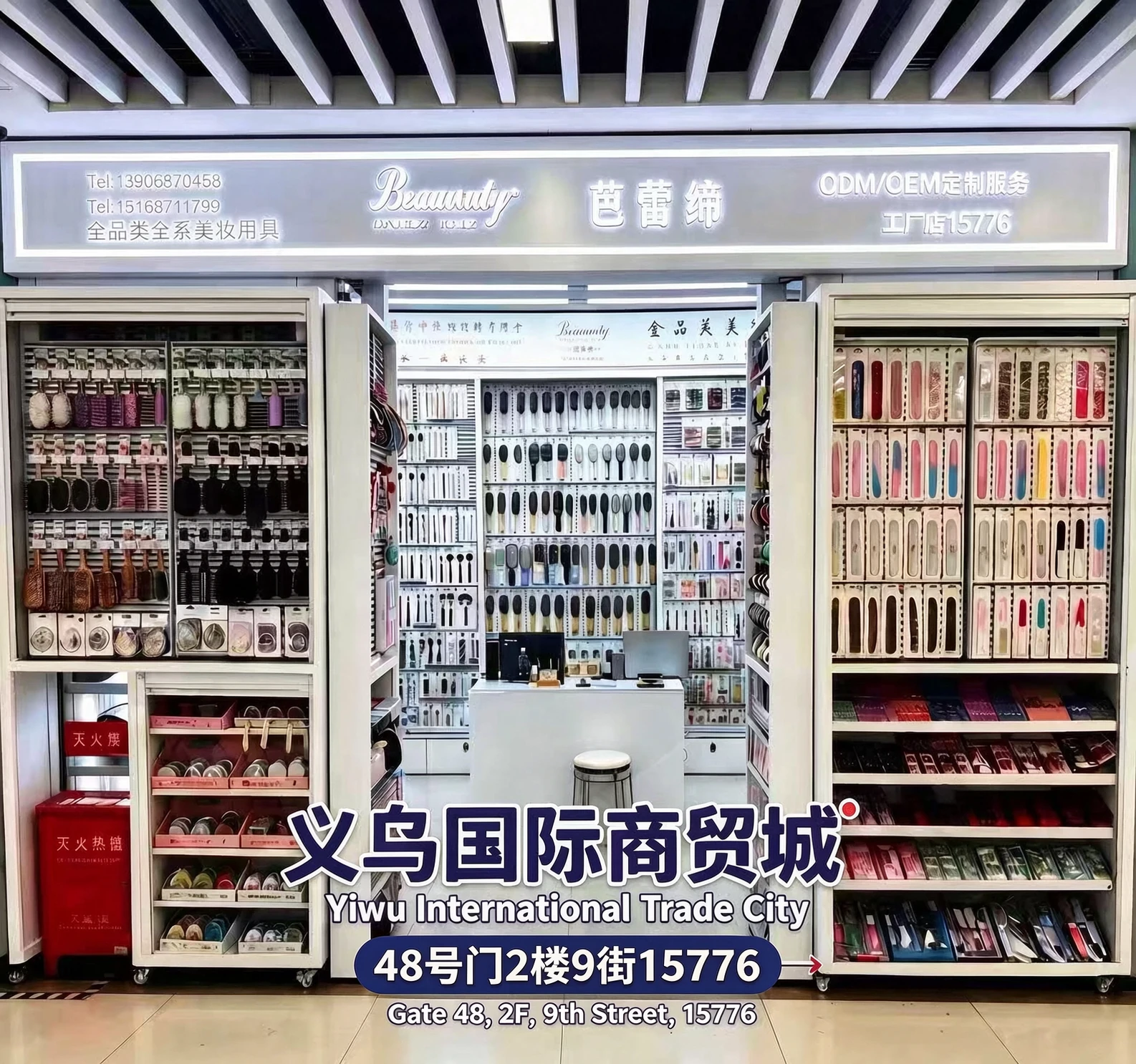
- Beauuuty supplier catalogue2024 catalogue reference images and listed model details. Current quantities, specifications and terms require a written quote.
- Wholesale beauty tools buying guideExisting sourcing and inquiry preparation flow. The planning worksheets below are editorial suggestions, not test results.